
07 Oct 2026
Pre-election survey 2026: Business leaders want more of the same, please
New Zealand business leaders don’t want change this election, but they do want faster delivery.
All businesses face challenges at some stage in their life cycle. Unfortunately, some don't survive because of internal pressures, external events or economic conditions. If your business is in this situation our licensed insolvency practitioners can help.
Our approach is inclusive, practical and pragmatic and, wherever possible, we work towards mutually agreeable solutions that meet the needs of all stakeholders and maximise the financial return.
We’ll work with you fairly and professionally – contact one of our experts now for further advice on the liquidation process.
Where the directors and shareholders of a company have identified that the business is insolvent and has no prospect of recovery, the orderly winding up of its affairs is required. The process is very simply and normally involves shareholders signing a written resolution appointing liquidators.
In most cases we charge no up-front fees.
This is where a creditor applies to the High Court to have the company placed into liquidation. In this scenario, the creditor, not the shareholders, decides who is to be appointed liquidator.
Shareholders may voluntarily place a company into liquidation within 10 working days after the liquidation application is served upon the company.
It you receive a statutory demand from a creditor, contact one of our experts. We can help you resolve the situation and discuss alternatives to liquidation.
The principal duty of a liquidator is to take possession of, protect, realise and distribute the assets of the company in liquidation to its creditors and, if there is a surplus, to its shareholders.
We are licensed insolvency practitioners who have specialist experience in most industries, and in working with all stakeholders to maximise the financial return to creditors and shareholders.
When the liquidation is complete, the liquidator will take steps to have the company struck off the Register of Companies.
Be aware that if an insolvent company is struck off the Register of Companies without having previously been through a formal liquidation process, it is relatively simple for a creditor to apply to the Court to have the company reinstated and placed into liquidation.
For more information, contact one of our experts now.
Choose your location for better results

Solvent liquidation services in relation to companies that are no longer required.

Get greater clarity and control over the performance of your business.

New Zealand business leaders don’t want change this election, but they do want faster delivery.

What a year of swirling winds – business optimism is up in 2026, but Inland Revenue is owed $9. 4 billion in tax and is focused on recovering debt.

While no one is predicting a rapid recovery for the New Zealand economy, signs of confidence are increasing.

In the depths of the boom/bust cycle that started with Covid, businesses are doing it tougher than they have for years.

Every business owner starts out with dreams of success and wealth. Unfortunately, it’s not as easy as it seems and many businesses run into trouble at some stage in their life cycle.

Even profitable and viable companies can find themselves unable to pay their creditors. This can be due to a variety of reasons, such as the failure of a major customer, unprofitable contracts, employee theft, lengthy litigation and, unfortunately, a pandemic or extreme weather events.

We speak to Philip Macey of our Taranaki office about the use of Statutory Demands to recover debt and their role in liquidations…

If times are tough, would you recognise when your business needs external help? Here, we highlight why businesses fail, the warning signs and the options when recovery is becoming tenuous or impossible.

There aren’t a lot of successful voluntary administrations when New Zealand businesses are struggling, but occasionally one of them lives to fight another day. One such business – StretchSense, came under the guidance of Baker Tilly Staples Rodway.

It’s been a lean couple of years for some amid COVID-19 restrictions, geopolitical issues and rising inflation and interest rates, but we can help if your business is faltering.
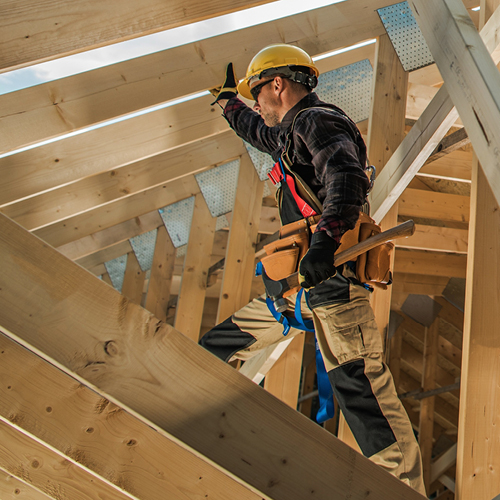
The building and construction sector has come under significant pressure in recent times. Auckland associate director Asheel Bharos looks at the statistics and challenges, and how those in the industry can help safeguard their business.
Andrew Sayers recently joined Baker Tilly Staples Rodway Waikato. In a former role Andrew was Managing Partner and International Liaison Partner of a large Australasian accounting firm.
Our website uses cookies to help understand and improve your experience. Please let us know if that’s okay by you.
Cookies help us understand how you use our website, so we can serve up the right information here and in our other marketing.